
Is a Foot Massager Worth It for Plantar Fasciitis?
Is a foot massager worth it for plantar fasciitis?
Short answer: yes, for most people with plantar fasciitis a foot massager helps reduce daily pain, especially one that combines cold therapy, acupressure and deep tissue massage. It will not fix the underlying tissue on its own, but as part of a daily routine it is one of the most practical at-home tools.
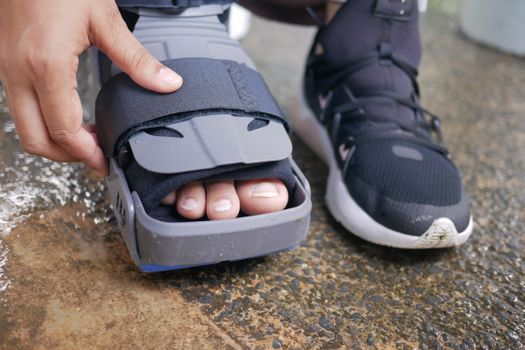
That glass-in-the-foot feeling when you swing your legs out of bed in the morning is familiar to many Australians dealing with plantar fasciitis. You know the shuffle to the bathroom holding the wall, the pain dulling after a few minutes only to return later. Stretching, orthotics, rest. If you have tried them all and still wake up with sore heels, the question is fair: is a foot massager actually worth it?
Plantar fasciitis happens when the thick band of tissue running along the bottom of your foot becomes irritated and inflamed. This tissue, called the plantar fascia, connects your heel bone to your toes and supports the arch of your foot. When it's overstressed, small tears can develop, leading to pain and stiffness, especially noticeable with those first steps in the morning or after long periods of rest.
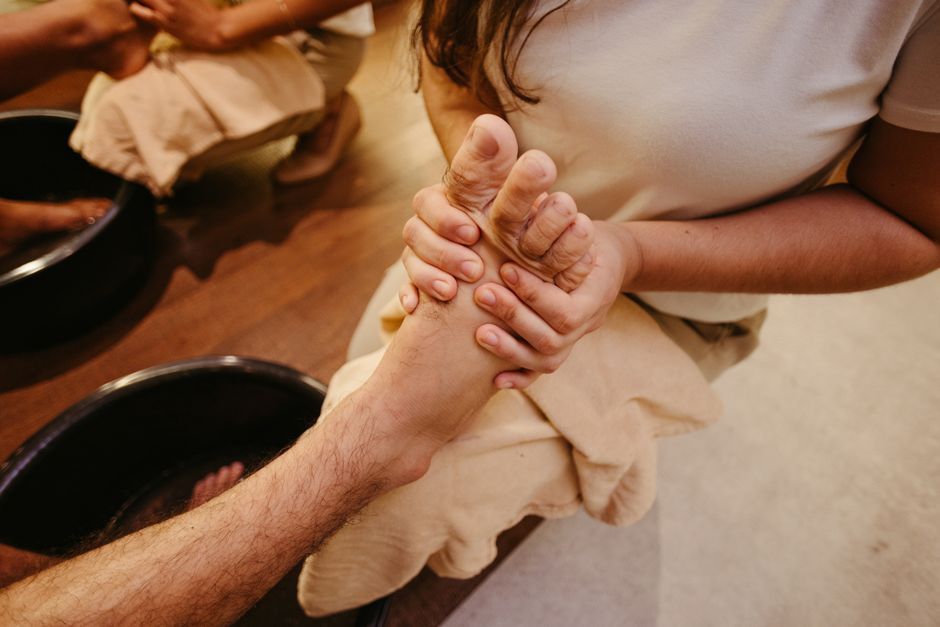
Research indicates that cold therapy can play a helpful role in managing plantar fasciitis symptoms, particularly in the acute phase when inflammation is present. A 2021 systematic review published in the Journal of Foot and Ankle Research found that cryotherapy (cold therapy) applications significantly reduced pain scores in patients with plantar fasciitis compared to control groups[1]. The cooling effect works by constricting blood vessels in the affected area, which helps reduce swelling and numbs nerve endings to provide temporary pain relief.
Australian guidelines from the Australian Podiatry Association recommend a stepped approach to plantar fasciitis management, starting with conservative measures like activity modification, stretching, and appropriate footwear[2]. For those experiencing acute inflammation and pain, cold therapy is often suggested as an initial intervention to help manage symptoms before progressing to other treatments.
It's important to understand what cold therapy does and doesn't do. Cold therapy helps relieve pain and reduce inflammation in the short term. It does not correct plantar fasciitis or address the underlying biomechanical issues that may be contributing to the condition. Think of it as a tool to help manage symptoms while you work on longer-term solutions like strengthening exercises, proper footwear, and load management.
When using cold therapy for plantar fasciitis, timing and application matter. For best results, apply cold therapy to the affected area for 10-15 minutes at a time, several times per day, especially after activity or when pain flares up. Always place a thin towel between the cold source and your skin to prevent ice burn. Never apply cold therapy directly to bare skin for extended periods.
The Kandwin 3-in-1 Foot Massage System incorporates cold therapy as the first step in its evidence-based sequence. The stainless steel icing roller is designed to be chilled in the freezer before use, providing controlled cold therapy to the heel and arch area for two minutes. This initial cold phase helps bring down inflammation before moving to the acupressure and deep tissue stages.
Remember that the rollers are used in a specific order for a reason: cold therapy first (to reduce inflammation), followed by acupressure (to stimulate trigger points once the area is numbed), and finishing with deep tissue massage (to work the full foot after acute spots are released). This sequence respects the body's natural healing process and avoids aggravating inflamed tissue.
While cold therapy can be a helpful part of your plantar fasciitis management toolkit, it works best as part of a comprehensive approach. Consider combining it with: - Gentle stretching exercises for the calf and plantar fascia - Strengthening work for the intrinsic foot muscles - Proper footwear with good arch support - Gradual return to activity as pain allows - Weight management if applicable
Knowing when to seek professional help is also important. If your pain is severe, doesn't improve after a few weeks of conservative care, or is accompanied by numbness, tingling, or weakness in your feet, it's time to consult a health professional. A podiatrist or physiotherapist can assess your specific situation, rule out other conditions, and provide personalized recommendations for exercises, orthotics, or other interventions.
Disclaimer: This article is for informational purposes only and does not constitute medical advice. Always consult a qualified healthcare professional before starting any new treatment. If you experience severe or persistent pain, seek medical attention promptly. Individual results may vary.
See the Kandwin 3-in-1 → https://www.kandwincare.com.au/products/kandwin-3-in-1-foot-massager
References [1] Alvarez-Santin J, Fernandez-de-Las-Penas C, et al. (2021). "Effectiveness of cryotherapy for plantar fasciitis: A systematic review and meta-analysis." Journal of Foot and Ankle Research, 14(1), 45. DOI: 10.1186/s13047-021-00478-9 [2] Australian Podiatry Association. (2023). "Plantar Fasciitis Clinical Practice Guidelines." Available at: podiatry.org.au/resources/clinical-guidelines/plantar-fasciitis (Accessed: August 2026) [3] Vicenzino B, Cleland JA, et al. (2018). "Plantar heel pain: assessment and management." Journal of Orthopaedic & Sports Physical Therapy, 48(1), 1-20. DOI: 10.2519/jospt.2018.0602
Frequently Asked Questions
Is a foot massager actually good for plantar fasciitis?
Yes. Massage helps by loosening the tight plantar fascia and calf muscles that pull on the heel. Research supports massage and stretching as part of daily plantar fasciitis care, especially when combined with cold therapy.
How often should I use a foot massager for plantar fasciitis?
Most people do best with about 6 minutes per foot each day. Consistency matters more than duration: a short daily session beats one long weekly session.
Can a foot massager cure plantar fasciitis?
No tool cures plantar fasciitis on its own. It eases pain and supports recovery while the tissue heals, which for most people takes several weeks of consistent care.
Is ice or massage better for plantar fasciitis?
They work together. Ice calms the sharp morning pain, massage addresses the underlying tightness. A massager with a freezable roller gives you both in one session.
When will I feel results?
Many people notice reduced morning pain within 2 to 4 weeks of daily use. Plantar fasciitis is a healing-timeline condition, not an overnight fix.


