
Metatarsalgia: Ball of Foot Pain Causes and Home Treatment
What is metatarsalgia?
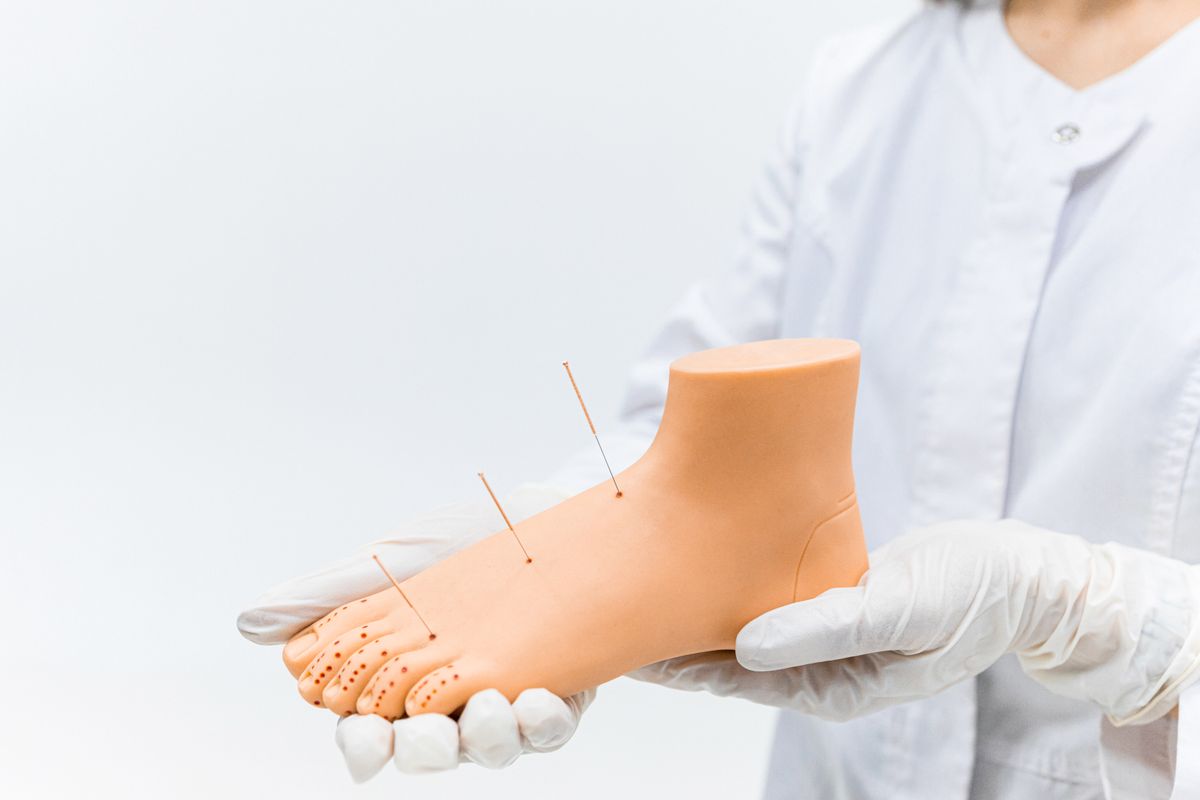
Metatarsalgia is the medical term for pain under the ball of your foot, the padded area just behind your toes. The name comes from the metatarsal bones, the five long bones that run through the middle of your foot and end at that weight-bearing pad.
It is not a single disease. It is a description of a symptom , something is putting too much load on the metatarsal heads , the knobby ends of those long bones , and they are letting you know about it.
The pain usually builds gradually. You might notice it first after a long walk or a run, then it starts showing up during everyday activities. Some people describe it as a burning sensation. Others say it feels like walking with a pebble in their shoe , even when there is nothing there.
According to the NHS [1], metatarsalgia can often be managed at home. But if it sticks around, seeing a GP or podiatrist is the right call.
What causes ball of foot pain?
Most cases come down to one thing: the forefoot is taking more pressure than it is built to handle. A 2025 systematic review in the Archives of Orthopaedic and Trauma Surgery found that mechanical overload of the forefoot is the core driver of metatarsalgia (Denis et al., 2025 [2]).
Here are the common reasons that overload happens:
- High-impact exercise. Running, jumping, and court sports send repeated shocks through the forefoot. If your volume jumps too quickly, the metatarsal heads cop the consequences.
- Tight or narrow shoes. Pointed toe boxes squash the metatarsals together. High heels tilt your weight forward onto the ball of the foot. Both are common triggers.
- Foot shape and mechanics. A high arch or a second toe longer than the big toe (Morton's foot) can shift extra load onto specific metatarsal heads.
- Extra body weight. The forefoot already bears roughly half your body weight during walking. More weight means more pressure.
- Age-related changes. The fat pad under the ball of the foot thins over time. Less cushion means the bones feel every step.
- Underlying conditions. Arthritis, bursitis, Morton's neuroma, and stress fractures can all produce ball-of-foot pain. A proper diagnosis matters , do not assume it is "just" metatarsalgia.
The Australian Podiatry Association [3] recommends seeing a podiatrist if you have persistent forefoot pain, especially if you have diabetes or reduced sensation in your feet.
Symptoms to watch for
Metatarsalgia usually announces itself with a dull ache in the ball of the foot, sharpening when you stand, walk, or flex your toes. The pain is often localised , you can point to exactly where it hurts, usually under the second, third, or fourth metatarsal head.
Other signs:
- Pain that gets worse when you walk barefoot on hard floors
- A burning or tingling sensation that can spread into the toes
- Tenderness when you press on the ball of the foot
- Feeling like there is a marble or a fold in your sock under your foot
If the pain comes with swelling, redness, or the area feels warm to touch, there may be inflammation involved, which changes the self-care approach , ice becomes your first move, not massage.
How pressure therapy can help
A 2026 study in the Journal of Biomechanics looked at this directly. Orthotics with metatarsal pads cut peak pressure under the ball of the foot during stair climbing , which places even more load than walking (Garcia et al., 2026 [4]). Spread the load across a wider area and no single spot takes the full force.
The same logic applies to massage and pressure therapy. Gentle, controlled pressure across the forefoot can help ease muscle tightness in the small intrinsic muscles of the foot. These muscles often become stiff and overworked when the metatarsals are under constant load , loosening them
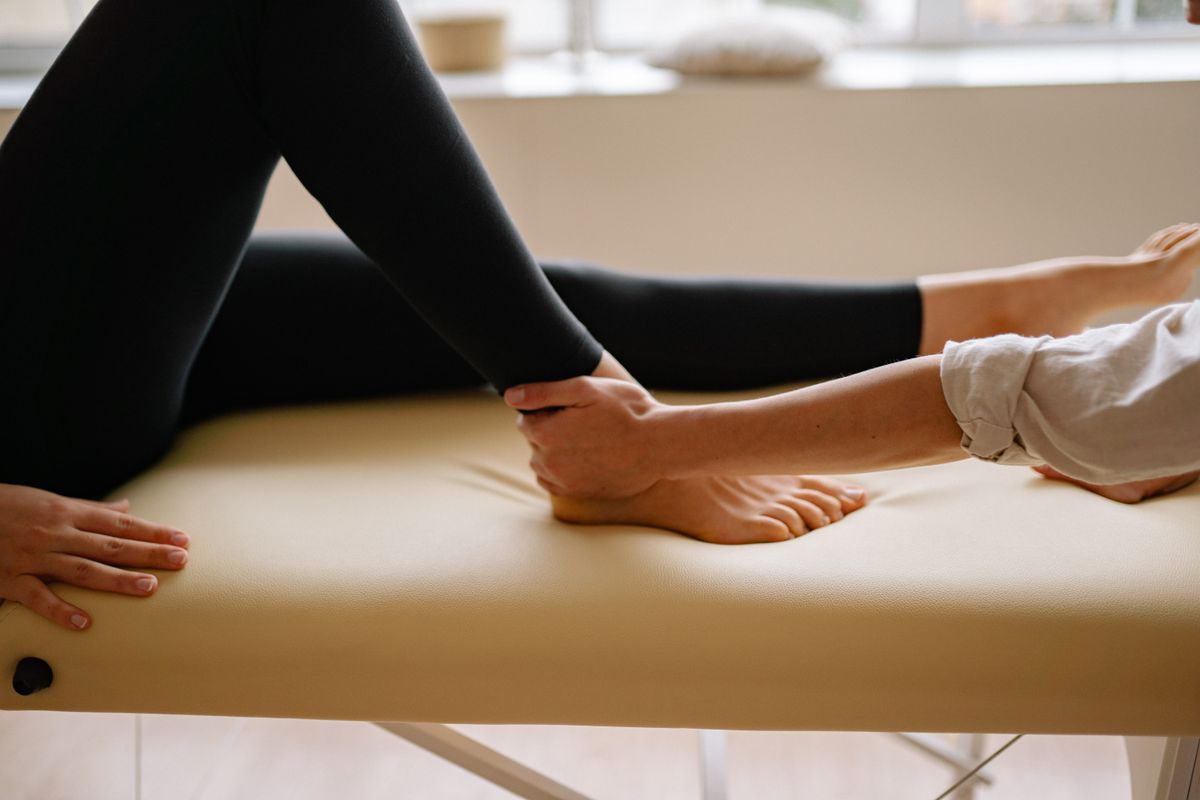
take some of that tension off the bones themselves.
Cold therapy also helps. Icing the ball of the foot after activity can reduce local inflammation and numb the area temporarily. The NHS recommends ice for up to 20 minutes every 2 to 3 hours during flare-ups.
What you can do at home
Most people can manage metatarsalgia with a handful of daily habits. None of these are complicated, but consistency is what separates "my foot still hurts" from "it is finally improving."
1. Rest and raise. When the pain flares, get off your feet and elevate them. Even 10 minutes with your feet up takes load off the metatarsal heads.
2. Ice the area. A cold pack or a bag of frozen peas wrapped in a tea towel, held against the ball of the foot for 15 to 20 minutes. Do this after activity, not before.
3. Check your shoes. Wide toe box. Low heel. Firm but cushioned sole. If your shoes fail any of these three, they are probably part of the problem. Soft insoles or metatarsal pads can make an immediate difference.
4. Stretch gently. Tight calf muscles change the way your foot strikes the ground and can increase forefoot pressure. Simple calf and toe stretches, done daily, help over time.
5. Regular pressure-based foot massage. Many people find that a short daily routine: icing the area first to calm inflammation, then using acupressure-style targeted pressure on the ball of the foot, followed by a deeper rolling massage to work through the surrounding tissue , helps relieve soreness and keeps the foot muscles from locking up. The Kandwin 3-in-1 massage system uses this exact sequence: cold therapy, acupressure, and deep tissue massage, each for about two minutes.
6. Lose weight if needed. Every kilogram of body weight adds roughly three to four kilograms of force through the forefoot during walking. Even modest weight loss reduces the daily load on already-irritated metatarsal heads.
When to see a professional
Home care goes a long way, but some situations need a proper assessment:
- Pain that has not improved after two weeks of self-care
- Pain that wakes you up at night
- Numbness, tingling, or loss of sensation in the foot
- Swelling that does not go down with ice and rest
- You have diabetes , foot complications need professional monitoring
- You cannot put weight on the foot at all
A GP can rule out fractures, arthritis, and nerve entrapments. A podiatrist can assess your gait, check your footwear, and fit you with orthotics if needed. Do not let a treatable problem turn into a chronic one because you waited too long.
Most ball-of-foot pain improves with consistent daily care: the cold-then-acupressure-then-massage sequence above. If pain persists beyond two weeks, see a podiatrist. Many readers use the Kandwin 3-in-1 to keep that daily routine simple.
References
- NHS. Available at: https://www.nhs.uk/conditions/metatarsalgia/
- Denis et al., 2025. Available at: https://pubmed.ncbi.nlm.nih.gov/41042374/
- Australian Podiatry Association. Available at: https://www.podiatry.org.au
- Garcia et al., 2026. Available at: https://pubmed.ncbi.nlm.nih.gov/42378738/
Disclaimer: This article is for informational purposes only and does not constitute medical advice. Always consult a qualified healthcare professional before starting any new treatment. If you experience severe or persistent pain, seek medical attention promptly. Individual results may vary.
Related reading: metatarsalgia: ball of foot pain causes and treatment


